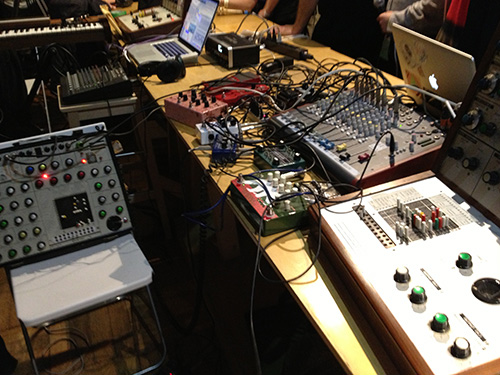
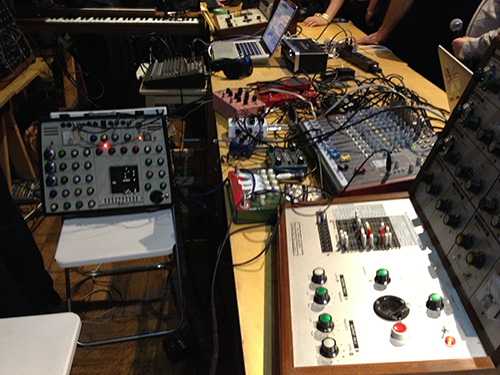
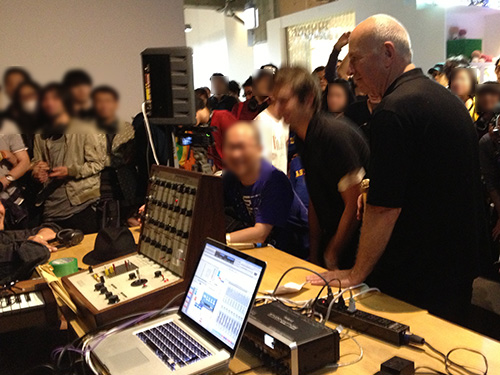
Xにおいて、なりすましアカウント @MerzbowAkita (X Supportを通じて警告を行い現在はパロディアカウントに変更されています)が、私の写真を無断で使用し著作権侵害を行なっているうえに、「私はヒトラーの本を愛読している」という虚偽の情報を投稿し拡散しています。
さらにこの投稿および反応について面白おかしく揶揄する人間が絶えません。そのような行為はやめるようお願いします。
私やスタッフ、関係者への中傷およびプライバシーを侵害する投稿も以前より見受けられますが、絶対にやめてください。
悪質な人間に対しては出禁や法的措置を取ります。
また本日、何者かが当ウェブサイトへの不正アクセスを試みた形跡が確認されました。管理者と連携し、当局へ通報できるようにログを保存しています。
AIアートを使うMerzbowを嫌いになってもまったく構いません。作品が嫌いなら無視してください。人の創作活動にあれこれ意見して来ないでください。時間の無駄なので。Merzbowはこれからも自由に活動を続けます。反AI勢力による悪質な誹謗中傷、揶揄、虚偽の情報の拡散などに対しては断固たる態度で法的措置などを検討します。
AI について (From Signal Noise / Merzbow Interview / 2025)
現在私のSNSなどには大量の反AIの中傷コメントが届いていますが、大体似たような「AIの電力と環境問題」を批判の矛先にするものばかりです。確かにAIの「大規模な利用」が大量の電力を消費し環境に負荷を与えることは事実ですが、私個人が制作する生成画像にはこの「大規模な利用」があてはまるのかどうか疑問です。またAIを使わない絵(手描き絵画)の環境負荷も同じように存在することを忘れてはなりません。一部の研究では、AIによるテキストや画像の生成は、人間が同様のタスクを行うよりもCO2排出量が少ないという報告もあります。これは、人間の活動には照明、移動、道具の製造など、より広範なエネルギー消費が伴うためと考えられます。例えば、画材の製造と輸送、また揮発性溶剤による大気汚染、使用済みの画材や道具などの廃棄物問題、絵画製作を行うアトリエの維持費、光熱費など、絵画作品保存のための空調設備や修繕修復のエネルギー等々。このようにアナログな芸術、またはごく一般的な人間生活の中でのエネルギー消費と比較して画像AIの一般的な利用がどの程度環境負荷が高いのか、同じくらいなのか、低いのかが検証される必要があります。例えば巨大な現代アートの作品に環境破壊の視点からの批判がないのに比較してただのAIアルバム・ジャケットに対してのみ批判が多い事実は新しい技術に対するただの恐怖と偏見によるものではないのかと思います。私は別にAI生成アートが既存のアートより優れていると思っているわけではありません。
ただ新しい技術として自分の作品に応用しているだけです。
Lately, I’ve been receiving a large number of anti-AI comments on social media, most of which criticize AI for its electricity consumption and environmental impact. It’s true that large-scale use of AI consumes enormous amounts of energy and places a burden on the environment.
However, I question whether this argument applies to small-scale, individual use—such as the image generation I practice in my own artistic work.
We must not forget that artworks created without AI—such as hand-painted paintings—also have their own environmental impact. Some studies even suggest that generating text or images with AI produces less CO2 emissions than when humans perform comparable creative
tasks. This may be because human activities involve a wider range of energy consumption—lighting, transportation, manufacturing of tools and materials, and so on.
For example, the production and shipping of art supplies, air pollution caused by volatile solvents, waste from used materials, the maintenance and energy costs of studios, as well as the electricity required for climate control and restoration in preserving paintings—all of these contribute to the ecological footprint of “analog” art. Given this, I believe we need further research comparing the environmental impact of AI-generated images with that of conventional art-making and everyday human activity.
When large-scale contemporary art installations rarely face environmental criticism, yet simple AI-generated album covers do, it suggests that the backlash may stem more from fear and prejudice toward new technologies than from genuine ecological concern. I don’t think AI-generated art is superior to traditional art—it’s simply a new tool that I’m exploring within my creative process.
(From Signal Noise / Merzbow Interview / 2025. Translation by Kiku Hibino)